
Career and Ministry

  • Sound The Trumpet Ministries of Miami: Pastor Robinson established this ministry in 2004 in Miami, Florida, where he continues to serve as the lead pastor. The ministry is known for its "bold prophetic voice" and focus on biblical truth in an age of deception.

  • Watchman Publishing and The Watchman Podcast: He founded Watchman Publishing, a Christian book publisher, in 2018. He also hosts "The Watchman Podcast".

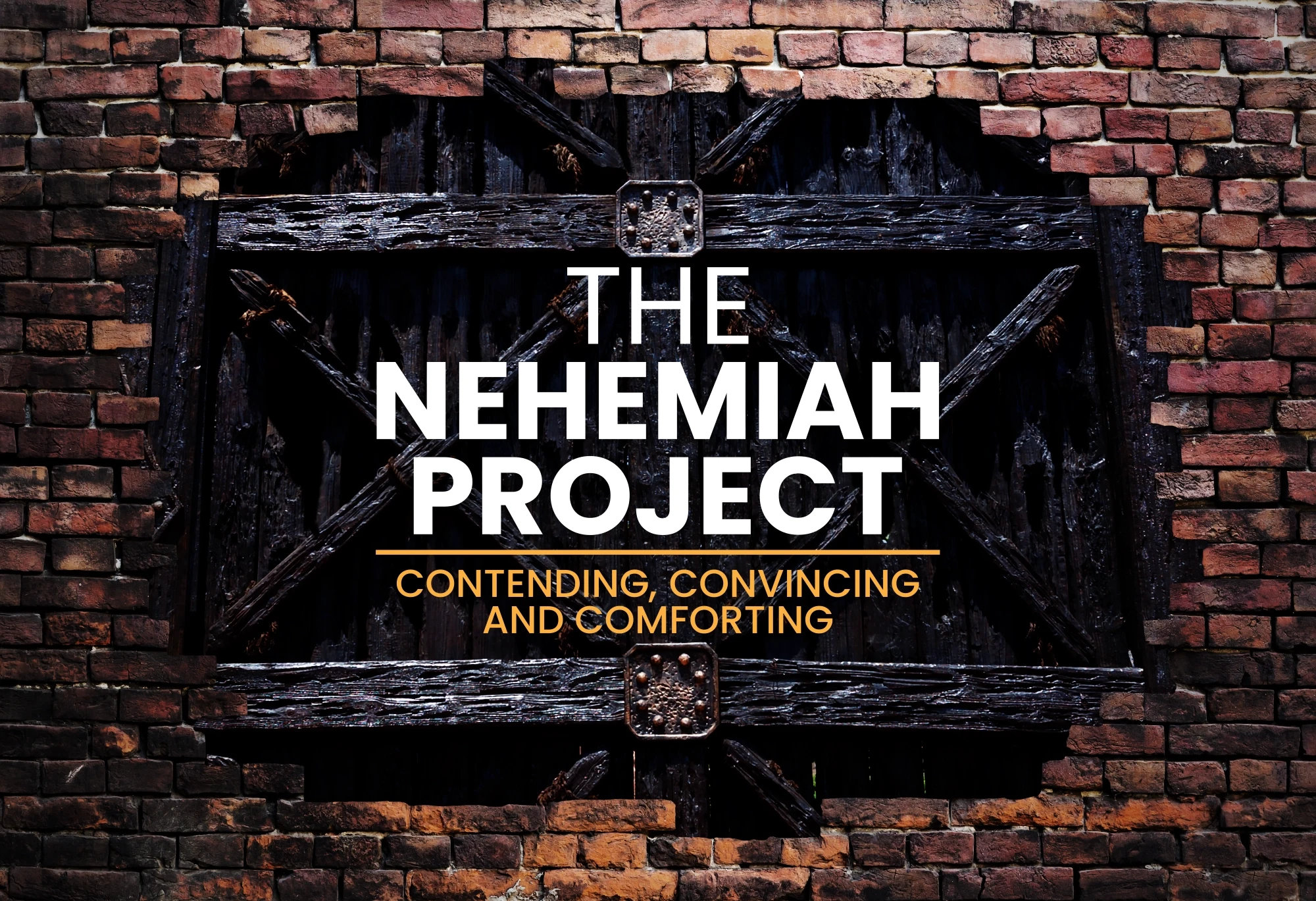
  • The Nehemiah Project: In March 2025, he founded The Nehemiah Project, an initiative aimed at building Christian leadership and promoting growth in biblical discipleship.

  • Speaker and Author: Pastor Robinson is a nationally sought-after speaker for revivals, conferences, and workshops. He has authored several books, including Shepherds, Hirelings, and Dictators, The Utopia of a Strange Love: When the Love of God is Mishandled, Warnings From The Garden, The Process of Transition: Reforming the Heart for Growth and Hostility Within: A Prophetic Perspective of the Church During the Pandemic.

  • Sound The Trumpet Ministries of Miami: Pastor Robinson established this ministry in 2004 in Miami, Florida, where he continues to serve as the lead pastor. The ministry is known for its "bold prophetic voice" and focus on biblical truth in an age of deception.

  • Watchman Publishing and The Watchman Podcast: He founded Watchman Publishing, a Christian book publisher, in 2018. He also hosts "The Watchman Podcast".

  • The Nehemiah Project: In March 2025, he founded The Nehemiah Project, an initiative aimed at building Christian leadership and promoting growth in biblical discipleship.

  • Speaker and Author: Pastor Robinson is a nationally sought-after speaker for revivals, conferences, and workshops. He has authored several books, including Shepherds, Hirelings, and Dictators, The Utopia of a Strange Love: When the Love of God is Mishandled, Warnings From The Garden, The Process of Transition: Reforming the Heart for Growth and Hostility Within: A Prophetic Perspective of the Church During the Pandemic.

Background

Education

He earned a Bachelor's Degree in Broadcast Communications from Ottawa University in Kansas, where he was also a standout basketball player.

Personal Life

Originally from Fort Worth, Texas, he moved to South Florida after receiving a calling he felt was specifically for the region. He currently lives in South Florida with his family. 

The Nehemiah Project, founded by Pastor Tavares Robinson in March 2025, is dedicated to developing Christian leaders and encouraging growth in biblical discipleship. The initiative's goals are inspired by the biblical story of Nehemiah, who led the rebuilding of Jerusalem's walls and the spiritual renewal of its people. In addition to emphasizing spiritual growth, the project has a modern focus on strengthening spiritual communities by revitalizing individuals. 

Key aspects of The Nehemiah Project's goals

Biblical discipleship

The project's central goal is to cultivate believers who follow the principles of biblical discipleship. By drawing on the example of Nehemiah, Robinson seeks to empower individuals with the faith, resilience, and vision to bring about spiritual and communal renewal.

Leadership development

The initiative is focused on raising up a new generation of Christian leaders who are equipped to confront and overcome the challenges of the modern world. This leadership development is rooted in biblical principles and aimed at fostering proactive, faith-driven action.

Rebuilding and renewal

Like the original Nehemiah, Robinson’s project focuses on "rebuilding." However, in a modern context, this rebuilding extends beyond physical walls to include "minds," "hearts," and "lives". The goal is to repair and strengthen the broken and hurting aspects of individuals and communities.

A "Modern Nehemiah"

The project’s message frames all believers as potential "Modern Nehemiahs" with a mission to help mend what has been broken in society. This involves being active in both spiritual and communal life, rather than being passive bystanders.

Transformation through action

The Nehemiah Project advocates for a collective and active response to local church needs, shifting from passive faith to one driven by "perseverance, faith, and proactive steps." It encourages Christians to take ownership of the work and use their gifts to promote healing and progress.


The Nehemiah Project, founded by Pastor Tavares Robinson, draws on the biblical book of Nehemiah to teach core principles of discipleship. The project frames all believers as modern-day Nehemiahs who should actively work toward spiritual and communal renewal. The principles emphasize combining a deep, prayerful relationship with God with practical action to solve problems and serve others. 

Key biblical discipleship principles taught include:

Prayer-driven action

The project emphasizes that believers must combine prayer with action, just as Nehemiah did. When facing opposition during the rebuilding of the walls, Nehemiah prayed to God while also posting a guard to protect the workers (Nehemiah 4:9). Disciples are taught to plan strategically and use the tools God has given them, while ultimately trusting that God will bring success.

Servant leadership

Nehemiah was an exiled servant but became a great leader who did not exploit his people for personal gain. Instead, he worked alongside them, getting his "hands dirty," and shared his resources. This principle teaches that disciples and leaders should use their power and influence to serve and lift up others, rather than lording it over them.

The centrality of God's Word

After the walls were rebuilt, the people gathered to hear the Word of God read and explained by Ezra and other leaders. The Nehemiah Project similarly prioritizes teaching and equipping people with the truth of the Bible so they can understand and apply it in their daily lives. The goal is to train disciples who can, in turn, train others.

Purposeful work and vision

Nehemiah held a secular job as the king's cupbearer but used his position to serve God's purpose. The project encourages individuals to use their God-given gifts and talents in their vocations to advance God's kingdom. Disciples are taught to have a shared vision for rebuilding and restoration, working collaboratively to achieve it.

Resilience in the face of opposition

Nehemiah and the people of Jerusalem faced constant distractions and ridicule from their enemies. A core principle is to persevere with courage and focus, refusing to be drawn away by critics. By remembering God's power and continuing the work, they ultimately saw the wall completed in a remarkably short time.

Community and mutual accountability

The project highlights the importance of teamwork and community, noting how Nehemiah organized the people into groups to work on sections of the wall near their own homes. This fosters a sense of ownership and accountability. Disciples are encouraged to form strong, spiritual friendships and participate actively in their faith community.

Celebration

The completion of the wall and the subsequent rededication were followed by joyful celebration and worship. This principle teaches that discipleship is not only about hard work but also about celebrating God's faithfulness and provision. Recognizing and appreciating God's work strengthens the faith of the community. 

The Nehemiah Project, founded by Pastor Tavares Robinson, draws on the biblical book of Nehemiah to teach core principles of discipleship. The project frames all believers as modern-day Nehemiahs who should actively work toward spiritual and communal renewal. The principles emphasize combining a deep, prayerful relationship with God with practical action to solve problems and serve others. 

Key biblical discipleship principles taught include:

Prayer-driven action

The project emphasizes that believers must combine prayer with action, just as Nehemiah did. When facing opposition during the rebuilding of the walls, Nehemiah prayed to God while also posting a guard to protect the workers (Nehemiah 4:9). Disciples are taught to plan strategically and use the tools God has given them, while ultimately trusting that God will bring success.

Servant leadership

Nehemiah was an exiled servant but became a great leader who did not exploit his people for personal gain. Instead, he worked alongside them, getting his "hands dirty," and shared his resources. This principle teaches that disciples and leaders should use their power and influence to serve and lift up others, rather than lording it over them.

The centrality of God's Word

After the walls were rebuilt, the people gathered to hear the Word of God read and explained by Ezra and other leaders. The Nehemiah Project similarly prioritizes teaching and equipping people with the truth of the Bible so they can understand and apply it in their daily lives. The goal is to train disciples who can, in turn, train others.

Purposeful work and vision

Nehemiah held a secular job as the king's cupbearer but used his position to serve God's purpose. The project encourages individuals to use their God-given gifts and talents in their vocations to advance God's kingdom. Disciples are taught to have a shared vision for rebuilding and restoration, working collaboratively to achieve it.

Resilience in the face of opposition

Nehemiah and the people of Jerusalem faced constant distractions and ridicule from their enemies. A core principle is to persevere with courage and focus, refusing to be drawn away by critics. By remembering God's power and continuing the work, they ultimately saw the wall completed in a remarkably short time.

Community and mutual accountability

The project highlights the importance of teamwork and community, noting how Nehemiah organized the people into groups to work on sections of the wall near their own homes. This fosters a sense of ownership and accountability. Disciples are encouraged to form strong, spiritual friendships and participate actively in their faith community.

Celebration

The completion of the wall and the subsequent rededication were followed by joyful celebration and worship. This principle teaches that discipleship is not only about hard work but also about celebrating God's faithfulness and provision. Recognizing and appreciating God's work strengthens the faith of the community.